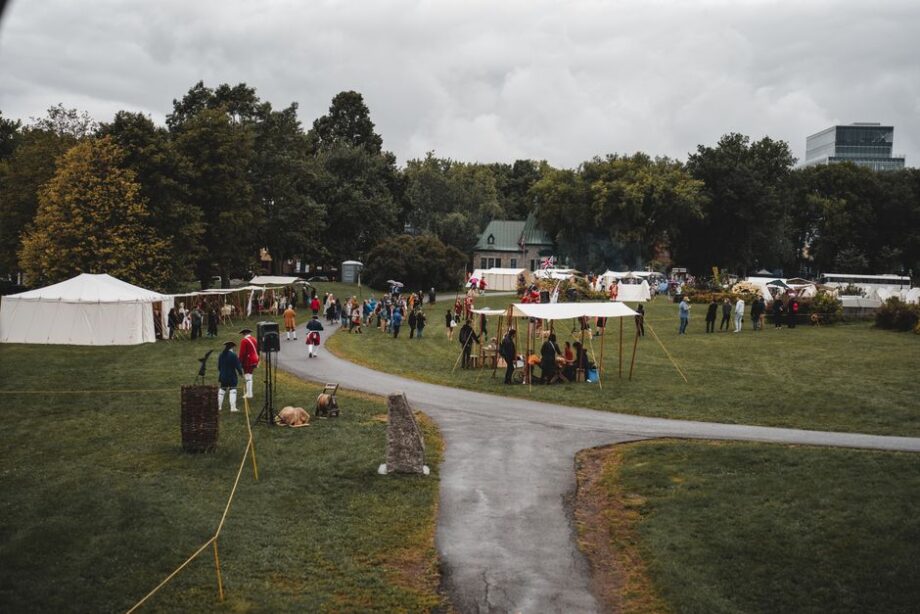
As we delve into the intricacies of human history, we uncover layers of experiences that have shaped our present. History is not merely a collection of events; it is the lens through which we can examine our cultural identity, societal changes, and the evolution of thought. In 2026, the relevance of historical knowledge continues to echo in our daily lives.
The Technology of Remembering
The advent of advanced technology has transformed how we curate, share, and interact with historical content. Digital archives and platforms help us explore events more dynamically than ever. Many individuals rely on resources like mindful leisure reading podcasts and healthier lifestyle habits to enhance their understanding.
Key Historical Events Shaping our World
Throughout history, certain events have marked turning points that profoundly influenced human behavior and societal structures. Here are significant milestones:
- The Renaissance: Spanning the 14th to the 17th century, this cultural rebirth led to advancements in art, science, and philosophy, laying the groundwork for modern thought.
- The Industrial Revolution: Beginning in the late 18th century, this era spurred technological innovation and urbanization, altering labor and economy significantly.
- World Wars: The 20th century was defined by conflicts that reshaped borders and geopolitical landscapes, influencing international relations today.
- The Information Age: The late 20th century ushered in an era dominated by digital technology and information sharing — the influence of which continues to expand.
The Cultural Reflection of History
Culture acts as a mirror reflecting historical contexts. An interesting exploration can be found in how geographical changes affect lifestyle through an article on how Scandinavian seasons shaped expat life: a practical history. This narrative showcases the dynamic interaction between location and human experience.
The Intersection of Culture and Community
Historical understanding promotes societal cohesion. This intersection leads to practices that revive community engagement through cultural exploration. For instance, initiatives like community through culture reviving reading local rituals together encourage individuals to reconnect with their roots and foster relationships.
Best Practices for Cultural Engagement
- Participate in local history forums and events to share insights with community members.
- Explore literature that delves into cultural heritage to enrich personal knowledge.
- Integrate historical themes into daily activities, such as cooking traditional meals or celebrating local festivals.
- Utilize digital platforms to engage audiences through podcasts focusing on history.
Embracing History in a Global Context
As globalization increases, understanding diverse historical perspectives becomes essential. Today, we see a growing interest in how different cultures have traversed through time and responded to change. This awareness can be cultivated through various channels, be it books, documentaries, or community projects.
The Future of Historical Engagement
Looking forward, the fusion of digital innovation and historical narrative promises to create richer educational experiences. Approaches that harness technology could propel the way history is preserved and taught to new generations. By leveraging advancements, societies can continue to honor their past while building a progressive future.
Conclusion: Why History Matters
Ultimately, the study of history is crucial. It grants us a profound understanding of our identity and the forces that have shaped the world as we know it today. Engaging with history allows us to learn from past mistakes and successes, guiding our decisions for a better tomorrow. In a fast-paced world, taking a moment to reflect on our shared history can unify communities and build a brighter future.