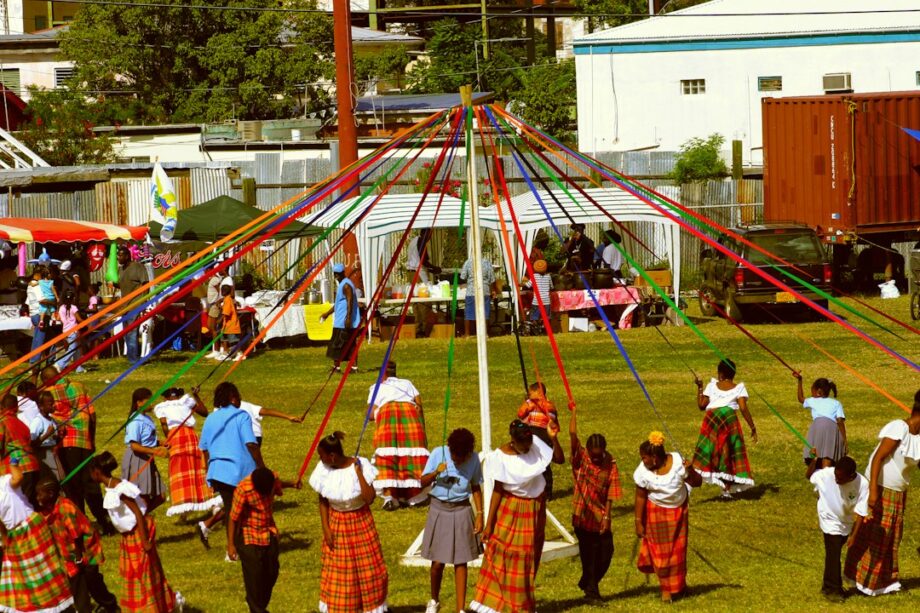
Cultural events serve as a mirror reflecting the values, customs, and evolution of societies worldwide. From vibrant festivals to serene art exhibitions, these occasions bring people together, fostering a sense of community and shared experience. In this article, we delve into the essence of cultural events, their significance, and how they shape our social landscapes.
The Role of Cultural Events in Society
Cultural events play a pivotal role in promoting community cohesion. They are platforms that not only showcase local talent but also educate attendees about different cultural practices. By participating in these events, individuals can expand their horizons, leading to greater understanding and appreciation of diverse backgrounds.
Benefits of Attending Cultural Events
- Networking Opportunities: Meet like-minded individuals and professionals in creative fields.
- Learning: Gain insights into various cultures through workshops, exhibits, and talks.
- Entertainment: Enjoy performances, music, and art that elicit emotional connections.
- Support for Local Economies: Boost local businesses by attracting visitors and participants.
Popular Types of Cultural Events
From art fairs to food festivals, cultural events come in myriad forms. Each type has its unique audience and purpose, catering to diverse interests.
1. Festivals
Festivals are perhaps the most recognized cultural events. They often feature a combination of music, dance, food, and art. Events such as carnivals or harvest festivals are celebrated globally, allowing communities to come together in joyous celebration.
2. Art Exhibitions
Art exhibitions showcase the creative works of local and international artists. They enable art lovers to not only view masterpieces but also engage in discussions about the processes behind the creation of the art. Exhibitions often include galleries of paintings, sculptures, and installations that provoke thought and inspire emotions.
3. Film and Theatre Performances
Film festivals and theater performances serve as a stage for storytelling. These events highlight various narratives, expanding audiences’ understanding of different perspectives and cultures.
Community Initiatives in Cultural Events
Community-led cultural events are gaining traction as grassroots movements strive to reclaim public spaces and engage residents. An excellent example can be found in the post titled Urban Culture Nights: Reviving Community Through Local Events, which discusses how local gatherings foster a sense of belonging and involvement.
Engagement Ideas for Cultural Events
Here are some engaging ideas for hosting cultural events in your community:
- Organize workshops showcasing traditional crafts.
- Create a festival celebrating local cuisine and culinary traditions.
- Host discussions or panels on cultural issues affecting your community.
- Encourage performances from local artists and musicians.
Global Perspectives on Cultural Events
Cultural events vary from one part of the world to another, influenced by unique histories and traditions. For instance, in Norway, community engagement often revolves around heritage and sustainability. A deeper dive into the financial strategies for consumers in Norway can be found on this external link, providing a different dimension to how culture interacts with economics.
Case Study: International Festivals
International festivals like the Edinburgh Festival Fringe or the Brazilian Carnival attract thousands of visitors each year, showcasing a kaleidoscope of cultural expressions. They not only provide entertainment but also serve as significant cultural milestones.
Conclusion: Embracing Cultural Events
Cultural events are more than just gatherings; they are essential for cultural preservation and community engagement. Whether you are attending an art exhibition or a local festival, your participation contributes to a rich tapestry of shared heritage. Engaging in these events nurtures connections, inspires creativity, and promotes understanding across different cultures. Thus, they are invaluable in shaping a harmonious society.