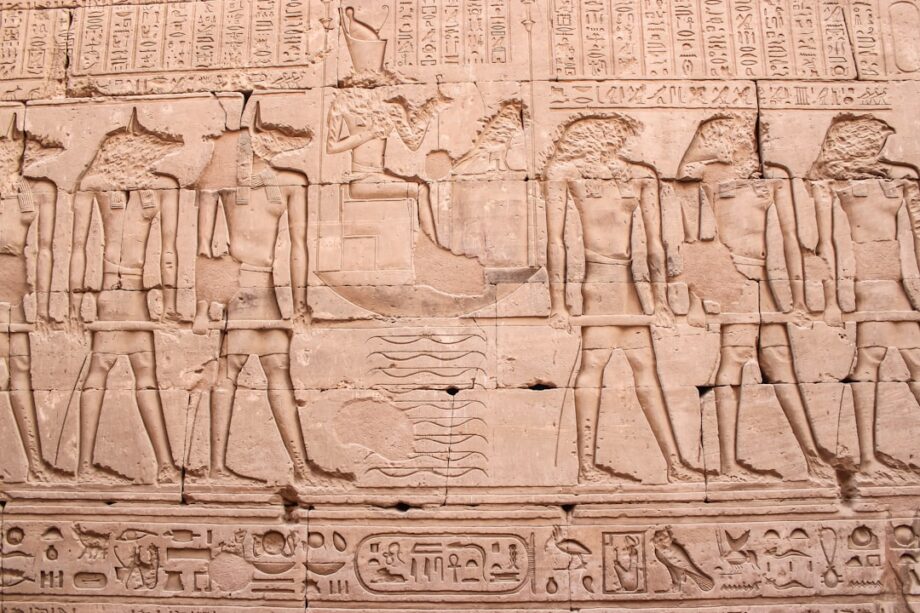
Understanding human history is more than just memorizing dates and events. It’s about comprehending the **cultural dynamics** and **social transformations** that have shaped societies for centuries. By exploring seminal moments in history, we can glean insights into our present and future approaches to global unity.
Key Historical Milestones
Throughout history, several pivotal events have molded the world we inhabit today. Recognizing these **historical milestones** allows us to appreciate their long-lasting impact. Some notable milestones include:
- The signing of the Magna Carta in 1215, which laid down the foundation for modern democracy.
- The Renaissance period, initiating significant advancements in art, philosophy, and science.
- The Industrial Revolution, which transformed economies and societies.
Understanding Historical Context
Every significant event stems from its unique context. To truly grasp the importance of these milestones, delving into the **social, political, and economic** landscape of the time is crucial. This leads us to consider the vital question: how do we recognize and interpret historical contexts effectively?
- Identify key players and their motivations.
- Examine contemporary social structures.
- Trace the aftermath of events and their long-term effects.
The Interconnectedness of Cultures
Every culture contributes to the vast tapestry of history. Through the ages, cultures have influenced one another, often in profound ways. For instance, the **Silk Road** facilitated not just trade but also cultural exchanges between East and West. Today, we celebrate this diversity through festivals; learn more in our article on Celebrating Cultural Events.
The Importance of Cultural Exchange
Understanding the importance of cultural exchange can further enrich our comprehensions of history. Such interactions have led to:
- The dissemination of ideas and technological advancements.
- The fostering of tolerance and understanding among disparate groups.
- Economic ties that benefit all cultures involved.
Exploring Modern Perspectives
Modern historians approach history from various perspectives. Some advocate for a **bottom-up** approach, focusing on the experiences of common people, while others may utilize a **top-down** exploration, emphasizing political figures and key decisions. To fully appreciate history, a balanced view is essential.
Integrating Discoveries into Today’s Society
As we engage with history, it is crucial to ask how these lessons apply today. The intersection of historical events with contemporary issues can highlight ongoing challenges. For example, understanding colonial histories can inform current dialogues around **equity and reparations**.
Continuing the Journey Through Time
Discover more about the **historical milestones** and their impacts by reading our detailed post on the journey through time understanding historical milestones and their impact. This guide provides readers with an in-depth examination of how pivotal events have sculpted human experiences globally.
Final Thoughts
History is more than a collection of facts; it’s a story woven from countless **lives and events**. By exploring this complex tapestry, we empower ourselves to face the future with insight and discernment. As we remember our past, we cultivate a deeper understanding of everything that binds us as humans.
For a deep dive into the history of the Caribbean, consider reading about Grenada, an essential piece of the region’s rich cultural heritage.