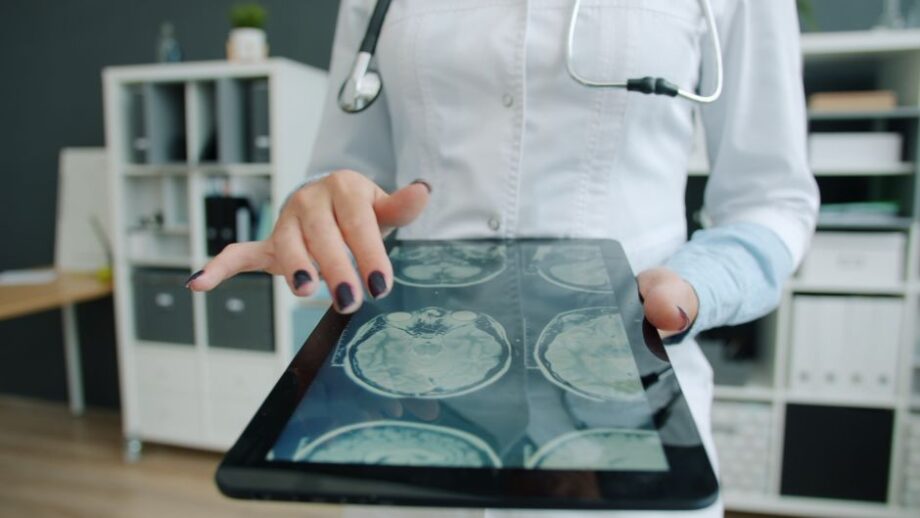
In recent years, the healthcare landscape has drastically changed, driven by advancements in technology. The integration of innovative tools is fostering better patient outcomes and redefining how we approach medical care. From telehealth to AI-driven diagnostics, the synergy between technology and healthcare is reshaping our understanding of medical science.
How Technology is Transforming Patient Care
Technology plays a pivotal role in enhancing patient care and streamlining clinical practices. Below are several key areas where technology is making a significant impact:
- Telehealth Services: Virtual consultations are allowing patients to receive timely care from home, especially important during pandemics.
- Wearable Health Devices: Smartwatches and fitness trackers monitor vital signs, providing crucial data to both patients and doctors.
- AI & Machine Learning: Algorithms analyze patient data, assisting in diagnosis and treatment plans.
Wearables in Focus
Wearable technology has become a focal point in healthcare innovation. Devices that monitor heart rate, oxygen levels, and even stress indicate early health issues. For an in-depth exploration, check our article on how AI & wearables are shaping medical innovation and telehealth.
The Role of Artificial Intelligence in Medical Diagnostics
Artificial Intelligence is revolutionizing medical diagnostics, enabling faster and more accurate results. AI algorithms can analyze countless images and data patterns that would take humans much longer, assisting radiologists and pathologists.
Benefits of AI in Diagnostics
- Efficiency: Reduces the time taken to analyze tests.
- Precision: Enhances the accuracy of diagnoses through detailed analytics.
- Cost-Effectiveness: Minimizes the need for repetitive testing.
Challenges Facing Medical Technology Adoption
Despite its benefits, the integration of technology into healthcare faces several challenges, including:
- Data Security: Protecting patient information from cyber threats is paramount.
- Regulatory Hurdles: Navigating complex healthcare regulations can slow down technology adoption.
- Training and Education: Healthcare professionals must be adequately trained to use new technologies effectively.
Future Prospects in Healthcare Technology
As we look ahead, the prospects for technology in healthcare are promising. Continual evolution in telehealth, AI implementations, and personalized medicine will only expand. The marriage between technology and healthcare is reshaping not just treatment but also our overall wellness.
For more insights into how technology can enhance our quality of life, consider reading about the shift towards online gaming and entertainment, like the bethall casino norge.
Conclusion
The convergence of technology and healthcare symbolizes a new era in medical science. From improved patient outcomes to transformative diagnostic tools, the future of healthcare is being written today. As innovations continue to emerge, we must stay informed and adaptable, ensuring that technology serves humanity’s greatest needs.