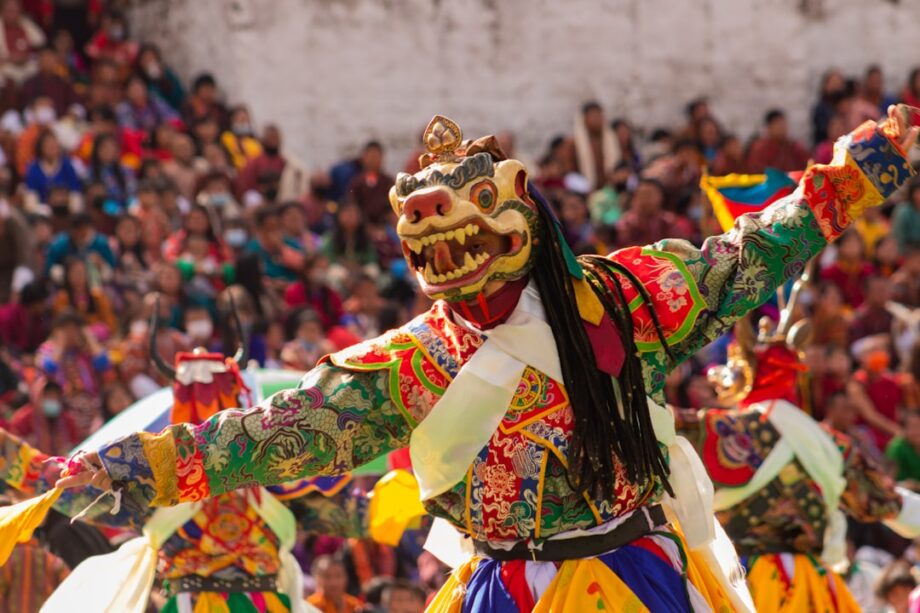
Cultural events serve as a crucial avenue for community engagement and cultural exchange. They provide a platform for artists, performers, and local businesses and foster a sense of belonging among participants. These events expose attendees to different customs, traditions, and ideas, promoting understanding and respect across various cultures.
Types of Cultural Events
There are numerous types of cultural events celebrated worldwide, each with its unique charm and purpose. Here’s a brief overview:
- Festivals: Annual celebrations that often highlight local culture, food, and music.
- Art Exhibitions: Platforms for artists to showcase their work to the public, often with themed collections.
- Performing Arts: Includes theater performances, dance shows, and live music events.
- Cultural Workshops: Engaging educational events that invite participants to learn traditional crafts or cooking.
Incorporating Local Communities
Community involvement is essential for the success of cultural events. Local collaboration not only brings innovation but also enhances the experience for attendees. For instance, the urban culture nights reviving community through local events initiative showcases how arts and culture can thrive through local participation.
Benefits of Local Involvement
Incorporating local voices not only enriches the cultural offerings but also keeps the events relevant. Here are some benefits:
- Enhanced Authenticity: Local artists and performers bring an authentic touch to cultural representations.
- Economic Benefits: Community-focused events help stimulate the local economy by attracting visitors and supporting local businesses.
- Social Connections: Creating opportunities for community members to connect and collaborate.
Tips for Organizing Cultural Events
If you’re considering organizing a cultural event, follow these practical tips:
- Define Your Purpose: Clearly articulate the *goals* of your event—whether it’s education, celebration, or fundraising.
- Engage Local Talent: Involve local artists and performers to give your event an authentic flavor.
- Promote Widely: Utilize social media and community boards to spread the word and attract a broad audience.
- Manage Logistics: Ensure your venue has appropriate facilities and accessibility for all attendees.
- Collect Feedback: Post-event, gather participant feedback to improve future events.
Highlighting Notable Cultural Events Around the World
Cultural events exist in various forms around the globe, each uniquely representative of its culture. Let’s explore some notable examples:
- Carnival in Rio de Janeiro: This world-famous festival is celebrated with parades, samba music, and extravagant costumes, embodying Brazilian culture.
- The Edinburgh Festival Fringe: Known as the largest arts festival globally, it showcases a myriad of performances ranging from theater to comedy.
- Diwali Festivals: Celebrated by millions in India and across the globe, this festival of lights highlights the triumph of light over darkness.
Utilizing Online Resources for Cultural Event Planning
In the digital age, numerous resources aid in planning and promoting cultural events. Websites like Anbefaler provide excellent insights into various cultural happenings and venues, making it easier for first-time organizers to find their feet. Additionally, for parents looking for safe travel options with children, exploring resources like bakovervendt bilstol can offer invaluable tips for transporting toddlers securely.
Conclusion
Cultural events are vital to preserving heritage and fostering community connection. They enable interaction between diverse populations and highlight the importance of cultural exchange. By organizing or participating in cultural events, you enrich both your life and those of others, creating a vibrant tapestry of shared experiences.