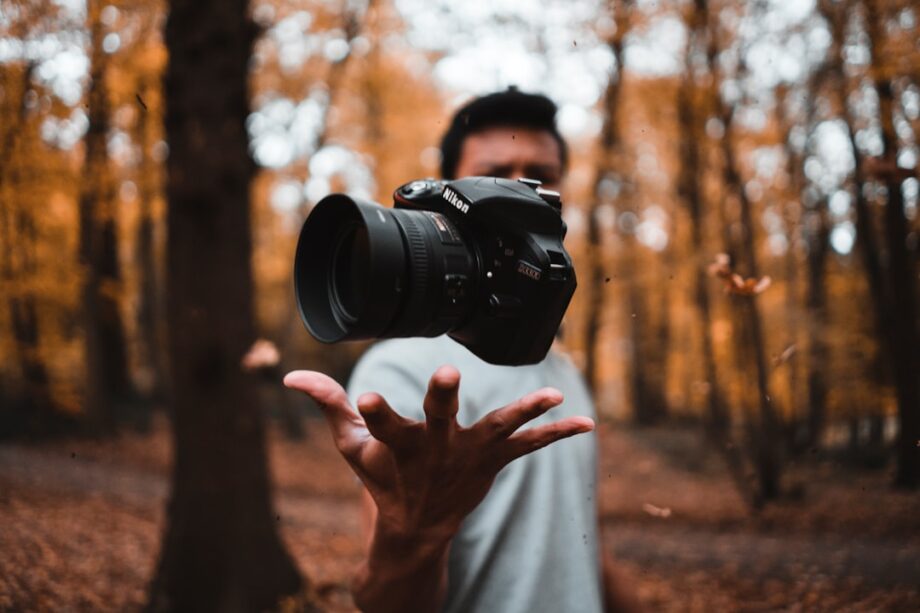
Photography is not just about capturing images; it’s a profound form of art that conveys emotions, tells stories, and preserves memories. The evolution of photography has been remarkable, broadening the scope of how we can capture and express the world around us. Whether you’re a beginner eager to learn or an experienced photographer looking to refine your skills, understanding the key techniques is essential.
The Basics of Photography
Understanding the core concepts of photography is crucial for creating stunning imagery. Here are the primary elements to grasp:
- Exposure: This refers to how light or dark an image appears. Achieving the right balance is critical.
- Aperture: Aperture controls the amount of light that enters the camera lens and affects the depth of field.
- Shutter Speed: This determines how long the camera’s sensor is exposed to light, influencing motion blur.
- ISO: ISO measures the sensitivity of your camera’s sensor to light. Higher values allow for shooting in lower light conditions.
Essential Camera Settings
To get started, familiarize yourself with the camera settings that will give you more control over your images. Adjusting these will allow you to take photos in various conditions. Consider learning about:
- Manual Mode: Provides the flexibility to adjust ISO, shutter speed, and aperture independently.
- Focus Modes: Learn how different focus modes affect sharpness and depth.
- White Balance: Adjust to ensure colors appear natural in different lighting conditions.
Mastering Composition Techniques
Composition is the art of arranging elements within the frame to enhance visual storytelling. Here are some popular techniques:
- Rule of Thirds: Divide your frame into a 3×3 grid and position the main subject along the lines or intersections.
- Leading Lines: Use natural lines within the scene to guide the viewer’s eye towards the subject.
- Framing: Utilize natural elements to frame your subject, adding depth and focus.
Dynamic Angles and Perspectives
Changing your angle can dramatically alter how a subject is perceived. Experiment with:
- Low Angles: Shooting from below can create a sense of grandeur.
- High Angles: Capturing from above can portray vulnerability or provide a unique viewpoint.
- Close-ups: Zooming in can reveal intricate details that tell a deeper story.
Advanced Techniques for Enthusiasts
For those looking to take their photography to the next level, consider diving into advanced techniques. Mastering the Art of Photography: Techniques, Tips, and Trends is an excellent resource for exploring these options further.
Experimenting with Light
Light is the soul of photography. Here’s how you can experiment:
- Golden Hour: Shoot during the hour after sunrise or before sunset for soft, golden hues.
- Backlighting: Capture subjects against a light source for a striking silhouette effect.
- Artificial Light: Play with flash and studio lights to create unique shadows and highlights.
Editing Your Photos for Maximum Impact
Post-processing is a vital part of modern photography, enabling you to enhance images and correct flaws. Learning software like Adobe Lightroom or Photoshop can be a game-changer. Here are some popular editing techniques:
- Color Correction: Adjust white balance and exposure to achieve vibrant colors and contrast.
- Crop and straighten: Refine composition by cropping unnecessary elements.
- Sharpening and Noise Reduction: Enhance details while minimizing distractions from sensor noise.
Conclusion: The Journey of a Photographer
Photography is an ongoing journey filled with discovery and creativity. By honing your skills and embracing new techniques, you can tell compelling stories through your lens. Remember, the best photographs often come from a place of passion and experimentation.