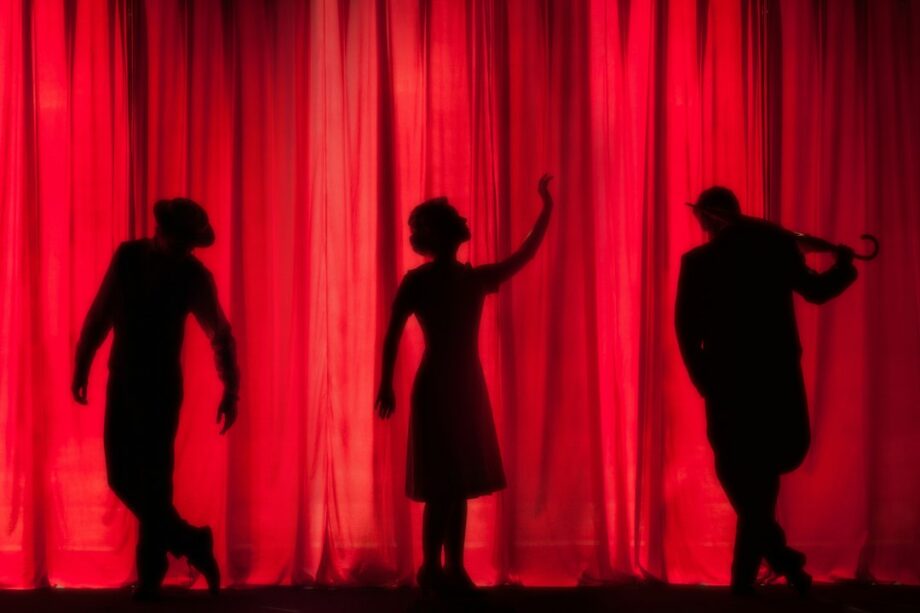
The performing arts encompass a rich tapestry of artistic expression that entertains and educates audiences worldwide. From theater and dance to music and opera, these forms of performance create a unique bond between performers and spectators. In this article, we delve deeply into the various aspects of performing arts, their historical significance, and the evolution that has shaped contemporary practices.
The Historical Significance of Performing Arts
Early Beginnings
The roots of performing arts can be traced back to ancient civilizations that used performance as a means of storytelling and cultural expression. Traditions evolved from early rituals, where music and dance played critical roles, to more structured forms like theater in ancient Greece.
Influence of Cultural Movements
As societies developed, so too did the performing arts. Various cultural movements, such as the Renaissance, brought renewed interest in arts and literature. This period marked a significant shift towards more ambitious and innovative performances.
Modern Trends in Performing Arts
Interdisciplinary Approaches
Contemporary performing arts showcase a blend of various art forms and disciplines. **Interdisciplinary** approaches are now commonplace, allowing artists to experiment and challenge conventions.
Technological Innovations
With the rise of technology, the landscape of performing arts has transformed dramatically. Digital media, virtual reality, and interactive platforms are now integral in reaching broader audiences. These advances not only enhance performances but also open avenues for innovative storytelling.
Key Genres in Performing Arts
Theater
- Theater remains at the core of the performing arts, embodying both dramatic and comedic storytelling.
- From classic Shakespearean plays to contemporary works, theater captures the complexities of human emotion and experience.
Dance
- Dance spans a variety of styles, including ballet, contemporary, and cultural dances.
- It serves as a powerful means of expression, conveying emotions and narratives without words.
Music and Opera
The realms of music and opera have long served as vital components of culture. They evoke emotional responses and often tell intricate stories through their melodies and lyrics. The evolution of genres, from classical to modern popular music, reflects societal changes.
Education and Training in Performing Arts
Importance of Arts Education
Arts education is essential for nurturing talent and fostering creativity. Schools and institutions worldwide now emphasize the importance of performing arts, providing aspiring artists with fundamental skills needed for success in the industry.
Innovative Programs
Many communities offer innovative programs designed to engage students in the performing arts. These programs provide opportunities for hands-on experience and mentoring from industry professionals.
Conclusion
As we explore the art of performing arts, it is evident that this field continues to evolve and inspire. The blend of tradition and innovation allows for a vibrant exchange of ideas, making performing arts an ever-changing landscape. With the continued support of education and technology, the future of performing arts looks bright, promising even more engaging and transformative experiences.