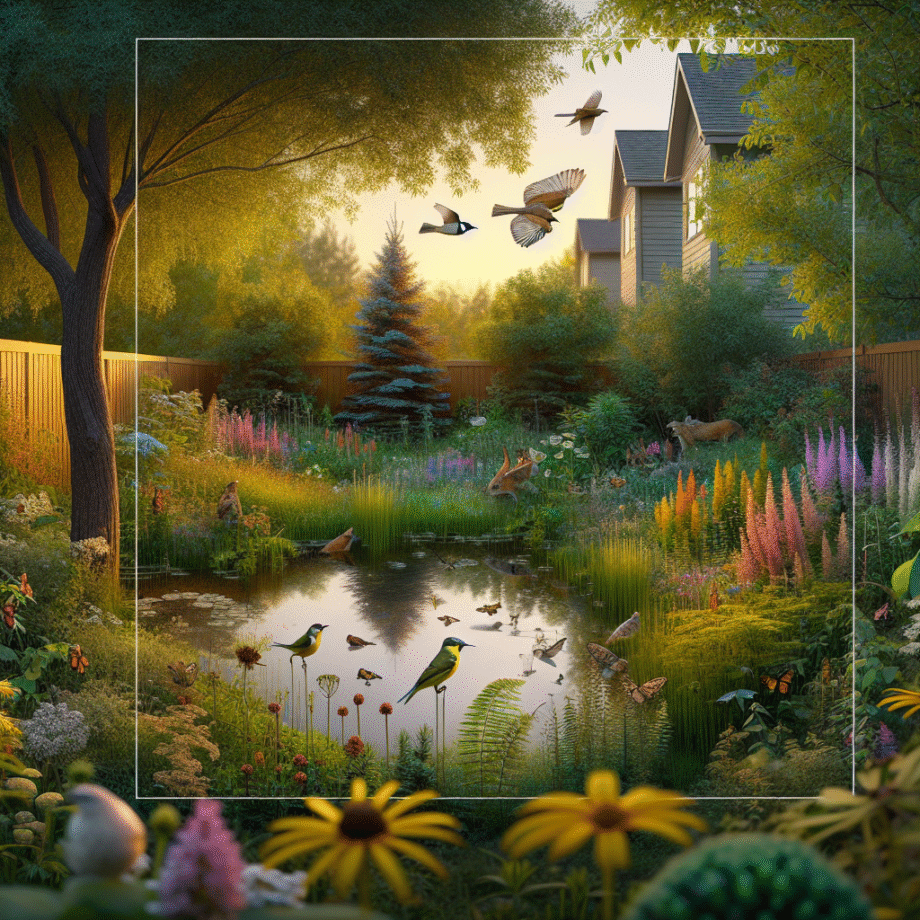
Small Actions, Big Impact: Wildlife Conservation for Everyday Readers
At echoesdaily.com we bring useful, practical ideas to readers who want to make a positive difference. Wildlife conservation isn’t only for researchers and large NGOs — it’s a set of everyday choices, habits, and learning practices that anyone can adopt. This guide collects straightforward, evidence-backed steps you can take at home, in your neighborhood, and while traveling to protect species and habitats.
Why everyday choices matter
Wildlife faces pressure from habitat loss, pollution, unsustainable consumption, and climate shifts. While large-scale policy and scientific work are essential, the cumulative effect of many individuals changing habits can reduce pressure on ecosystems and support conservation. Many actions also improve human well-being: cleaner neighborhoods, safer waterways, healthier diets, and richer community connections.
How to turn daily habits into wildlife wins
1. Make your outdoor spaces wildlife-friendly
- Plant native species: Native plants support pollinators and local food webs far better than many ornamental introductions.
- Create structural habitat: Keep a patch of natural leaf litter, add native shrubs, and provide water sources like shallow dishes or small ponds.
- Avoid pesticides: Chemical pest control reduces insect populations that form the base of many food chains.
2. Rethink food choices and support sustainable sourcing
What we eat affects land use and wildlife habitats. Reducing food waste, choosing sustainably sourced seafood, and prioritizing farms that practice regenerative agriculture all help biodiversity. When dining out, ask about sourcing and seasons — learning about restaurants’ practices helps create market demand for ethical producers. For those curious about food culture and dining experiences, articles like The Ultimate Steakhouse Experience Awaits at Miller & Carter can be a starting point to reflect on how high-quality dining intersects with sustainable sourcing.
3. Reduce plastic and single-use waste
Plastics fragment into microplastics that harm marine and terrestrial species. Replace single-use items with reusable alternatives, participate in local cleanups, and choose products with minimal or recyclable packaging.
4. Be a mindful traveler and water-user
Recreation on and around water can be a joyful way to connect with wildlife, but it requires care. If you dive or snorkel from small boats or enjoy coastal trips, learn safe and sustainable practices to protect marine life and local communities. A good resource on responsible practices for diving from recreational boats is diving from recreational boats: economy, safety and sustainable choices, which covers environmental considerations, safety, and responsible local engagement.
Community actions that scale
5. Join or support local conservation efforts
Volunteer with habitat restoration groups, attend town hall meetings about development near green spaces, or donate to vetted local organizations. Small groups working on targeted problems (invasive species removal, native planting, nest box programs) often deliver measurable benefits quickly.
6. Contribute to citizen science
Citizen science platforms let you log observations of birds, mammals, insects, and plants — data that researchers use to track populations and trends. It’s also an excellent way to deepen your identification skills and connect with a community of nature-minded readers.
7. Teach and read with purpose
Reading shapes perspectives. Curated books and guides can inspire action and build knowledge about species, threats, and solutions. For those wanting a solid reading list, check out collections like 15 of the best wildlife conservation books, which recommend foundational and accessible titles for readers new to conservation or looking to deepen their understanding.
Practical routines for busy people
Not everyone has time for extensive volunteering; the following routines are designed for people with limited free time but strong intent to help wildlife.
- Weekly micro-actions: Pick one small task each week — pick up litter on your walk, swap a chemical household cleaner for an eco-friendly option, or plant a pollinator-friendly pot.
- Monthly learning: Dedicate 30–60 minutes a month to read an article or chapter on a conservation topic. This keeps you informed and more effective when you act.
- Seasonal projects: Time larger actions—like building a bat box, starting a rain garden, or joining a beach cleanup—so they align with wildlife life cycles and breeding seasons.
Connections between personal health and conservation
Healthy lifestyles and conservation go hand in hand. Outdoor activity increases appreciation for nature, while low-impact fitness can reduce travel-related emissions. If you enjoy staying active at home, cross-linking healthy habits with conservation goals can amplify impact. For readers exploring how to maintain fitness with minimal gear or time, resources like Home Workouts for Beginners provide approachable guidance that pairs well with outdoor stewardship.
How to advocate effectively
Advocacy does not require shouting from a rooftop. Effective, evidence-based advocacy means supporting policies and practices that protect ecosystems, engaging constructively with local officials, and voting with conservation in mind. Share balanced, well-sourced information with friends and neighbors, encourage local schools to teach ecology, and back businesses that demonstrate real sustainability commitments.
Avoiding common pitfalls
- Don’t assume all “green” labeled products are harmless — look for verified certifications and transparent sourcing.
- Avoid well-meaning but harmful activities like feeding wild animals, which can disrupt natural behaviors and increase human-wildlife conflict.
- Don’t skip learning: quick fixes can sometimes cause more harm than good; grounding actions in reputable sources and expert guidance is crucial.
Final thoughts: conservation as a daily practice
Wildlife conservation is most powerful when it becomes part of our everyday routines — a few intentional choices repeated over time. From the plants in your yard to how you travel, eat, and read, each habit can either reduce or increase pressure on living systems. By combining small personal changes with community engagement and informed reading, readers at echoesdaily.com can amplify their positive impact. Start with one micro-action this week and let curiosity lead you to the next.
For further reading, curated book lists and practical guides can help you deepen your commitment and knowledge. Together, small steps by many people create echoes that reach far beyond our backyards.